🎉 Our Chrome Extension is here! Get live market prices right in your browser.Install Now
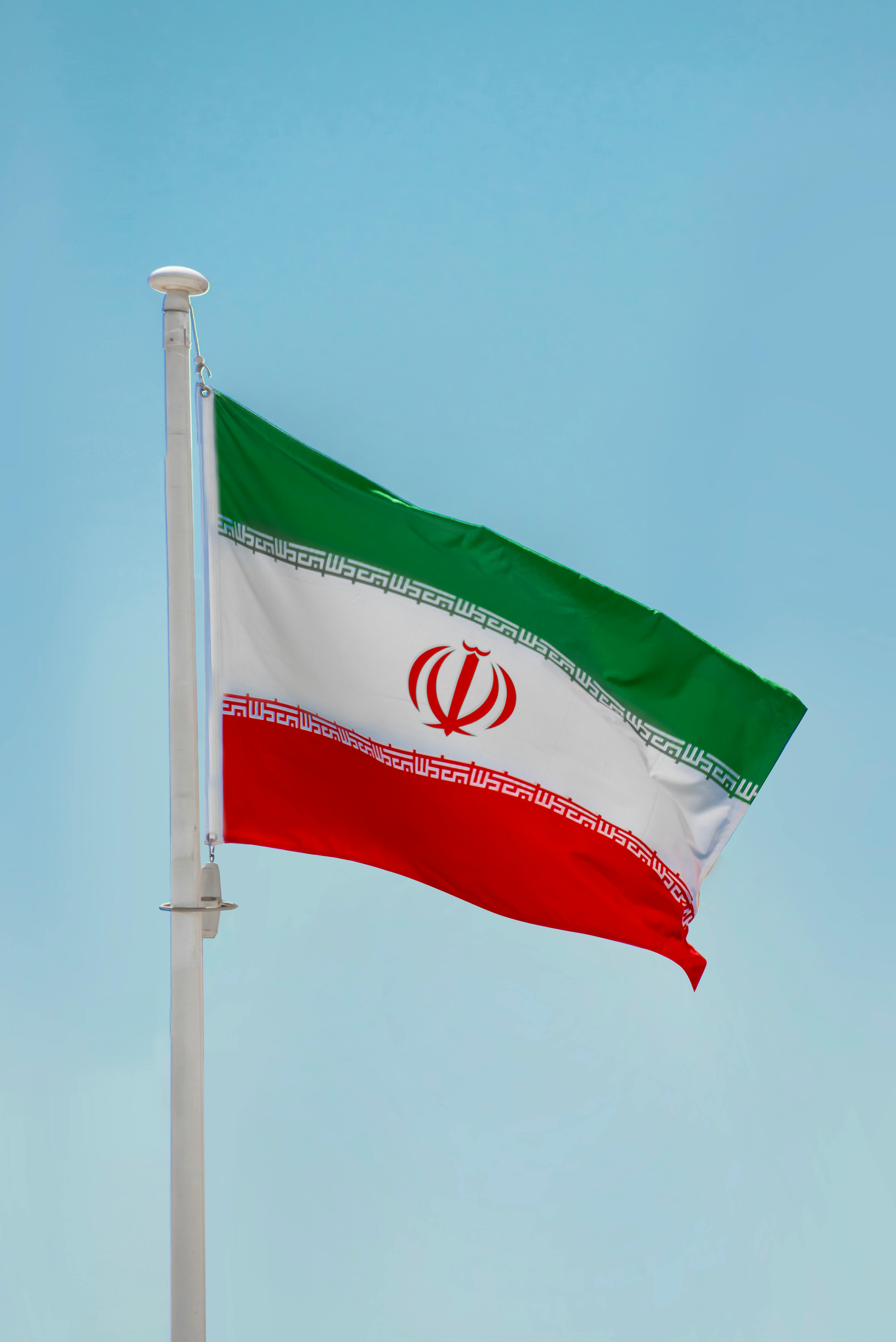
Iran confirmed Saturday it will not hold direct talks with U.S. special envoys Steve Witkoff and Jared Kushner, who are due in Islamabad.
Iran announced Saturday it has no plans for direct negotiations with U.S. special envoys Steve Witkoff and Jared Kushner, despite the American delegation's expected arrival in Islamabad. This diplomatic rejection highlights ongoing tensions and could influence commodity markets sensitive to geopolitical instability in the Middle East.
The core catalyst for market attention stems from the diplomatic impasse. Iran's firm stance against direct talks, reiterated across multiple international reports, signals a persistent lack of rapprochement between Tehran and Washington. While U.S. envoys Witkoff and Kushner are proceeding with their visit to Pakistan, Iran has stated it will only convey its observations to Pakistani officials, underscoring the indirect nature of any potential dialogue.
This refusal to engage directly escalates uncertainty surrounding regional stability. Geopolitical tensions, particularly involving Iran, frequently ripple through global energy markets, impacting crude oil futures and other related assets. The immediate implications are a continuation of the cautious sentiment among traders monitoring Middle Eastern affairs.
XAUUSD (gold) as a safe-haven asset, and crude oil.The commodity market, particularly energy, remains highly sensitive to developments in the Middle East. News of heightened U.S.-Iran friction has historically been a significant driver for crude oil prices. Previous escalations, such as those impacting maritime security, have led to notable price surges, as seen in instances where .
The current diplomatic deadlock could contribute to a sustained geopolitical risk premium in energy assets. Traders are keenly watching how this standoff evolves, impacting global supply chains and freight. This climate has previously benefited specific sectors, with the Breakwave Tanker Shipping ETF (BWET) seeing substantial gains amid rising regional tensions, significantly outperforming broader energy benchmarks, as documented in articles like Tanker ETF BWET Surges 600% Amid US-Iran Tensions, Outperforms Oil.
Traders should continue to monitor geopolitical headlines for any shifts in the U.S.-Iran dynamic. The absence of direct talks suggests continued volatility, particularly for crude oil and related derivatives. Futures markets will likely remain reactive to any perceived increase or decrease in regional risk.
Attention should be paid to official statements from all parties, as well as any diplomatic efforts to bridge the communication gap. Traders closely monitoring geopolitical developments and their impact on commodity prices can track real-time data and market shifts via RealMarketAPI. Any signs of further isolation or, conversely, a softening of stances, could trigger significant price movements across the energy complex and safe-haven assets.