🎉 Our Chrome Extension is here! Get live market prices right in your browser.Install Now
Trump's high-stakes Beijing summit with Xi is over, but as markets digest the diplomatic dance, the big question remains: where does US-China trade go next?
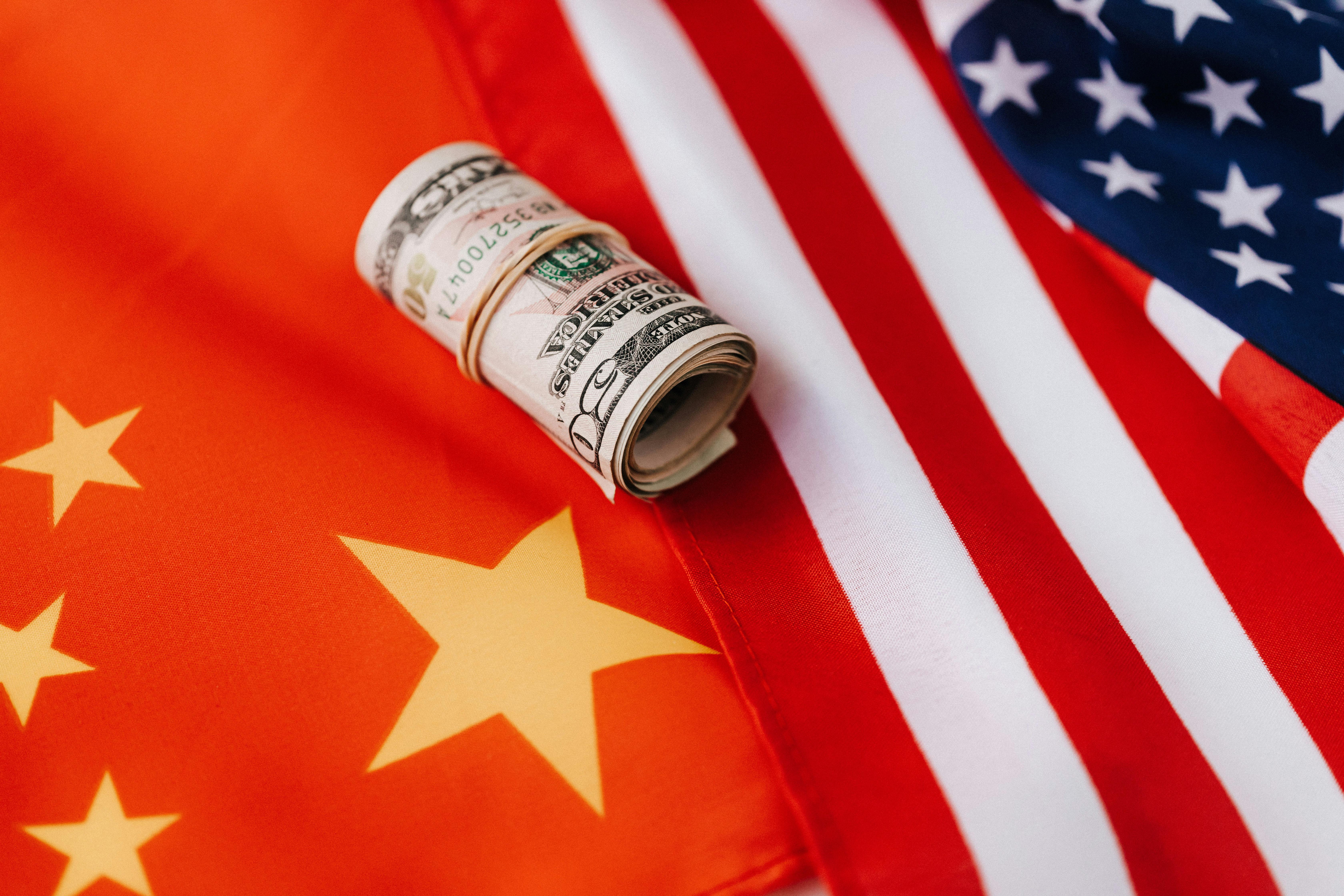
U.S. President Donald Trump has departed Beijing after two high-stakes days with Chinese President Xi Jinping, leaving markets to parse the true outcome of talks dominated by simmering trade disputes, global oil stability, and the ever-present flashpoint of Taiwan. This summit, following a year of escalating rhetoric and economic maneuvers, was supposed to clarify the path forward — but did it?
Months of mounting pressure on trade have culminated in this face-to-face, with both sides keenly aware of their leverage. While President Trump struck an optimistic tone, emphasizing that U.S.-China relations remain in a 'good place,' reports from the ground underscored stark warnings from Xi regarding Taiwan. This diplomatic ballet, where pageantry met pointed politics, meant every handshake and parsed statement held weight for global supply chains and geopolitical stability.
Traders were keenly watching for any definitive shift, particularly after a year where tariffs and retaliatory measures kept everyone on edge. The analysis coming out of the summit points to a continuation of the complex dance, with an underlying tension on issues like Iran also bubbling just beneath the surface. The broader implications for manufacturing, for instance, are huge, as companies globally navigate these geopolitical currents. It makes you wonder if Super Micro's 19% Jump: Is US Manufacturing Turning the Tide? is part of a larger, ongoing re-evaluation of global supply chains.
With no immediate breakthroughs announced, the market’s focus shifts to the subtle signals and upcoming data points. Here's what traders will be watching closely:
Beyond the immediate headlines, this summit is a major chapter in the ongoing narrative of great power competition. It's a barometer for global risk sentiment, directly impacting everything from commodity futures to tech stocks. The lingering uncertainty means capital will likely remain cautious, potentially favoring safe havens or sectors less exposed to trade volatility.
The consumer, however, remains a wild card. Despite geopolitical jitters, strong consumer spending can often buoy markets, a theme explored in pieces like Uber & Disney Soar: Is the Consumer Truly Unbreakable?.
For active traders, the lack of a clear 'win' or 'loss' from Beijing means volatility remains a primary concern. Don't expect a sudden market pivot; instead, prepare for continued choppiness as analysts dig into the nuanced language. Watch for divergences in sector performance: export-heavy industrials might struggle on persistent trade fears, while domestic plays could find some relative stability.
Anyone attempting to track the real-time reaction across global markets, from currency pairs to commodities, needs robust data. You can pull live price feeds and historical OHLCV data for relevant instruments straight from RealMarketAPI, which streams critical market information around the clock. The current environment demands instant insights, and being able to quickly cross-reference sentiment with live tick data is crucial.